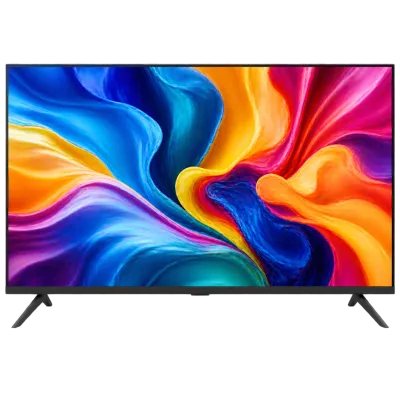
Reflections and glare occur when light from windows, lamps or other bright objects in a room bounces off the television screen back toward the viewer, appearing as a visible mirror image on top of the picture. Even a screen with genuinely deep blacks can look washed out if a bright window is reflected across it during the day.
Some televisions use screen coatings designed to scatter incoming light and reduce sharply defined reflections, while others use a glossier finish that can produce clearer but more distracting mirror like reflections. Positioning the television away from direct light, using curtains or blinds during bright hours, and avoiding placement directly opposite a large window all reduce the practical impact regardless of the screen's coating.
Because reflections behave differently by model and by room, checking screen finish and trying a demonstration under lighting similar to the intended room, particularly for a bright room, gives a better sense of real world glare than specifications alone. See our guide to TVs for bright rooms for more.