
5 min read
Choosing a TV for a bright room
Daylight and room lighting can wash out contrast and cause reflections. Here is how brightness, coatings, panel choice and placement help.
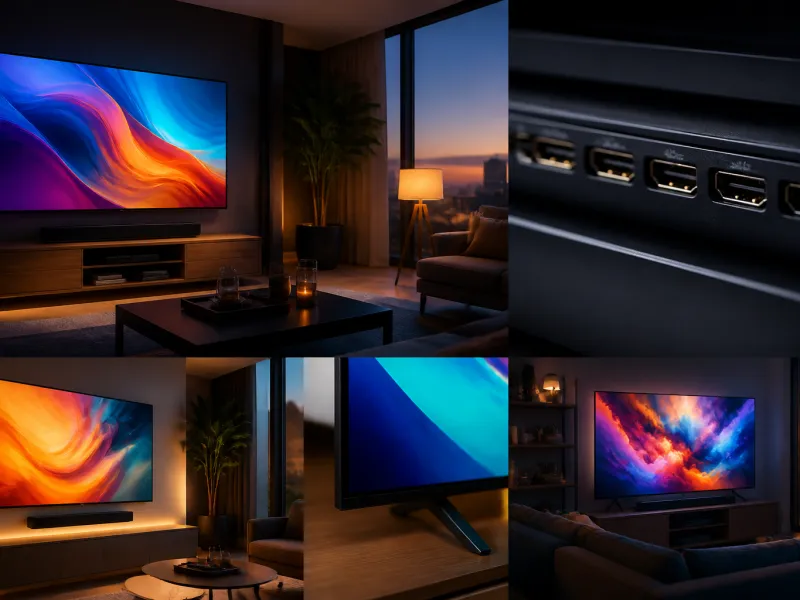
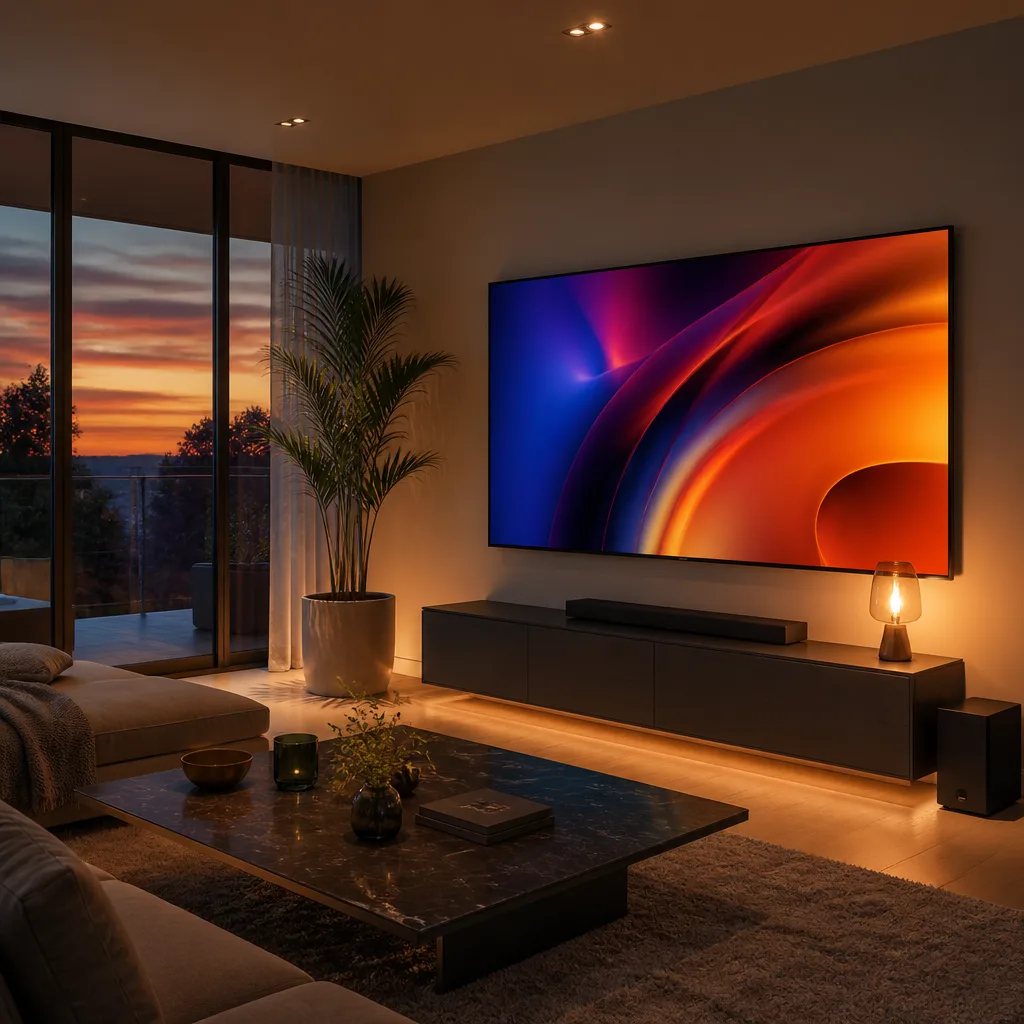
A television that looks excellent in a darkened showroom can disappoint at home if your living room has large windows or bright overhead lighting. Daylight and lamps wash out contrast, turn dark scenes grey, and bounce off the screen as distracting reflections. Choosing and placing a TV with bright rooms in mind makes a real difference to how enjoyable it is to watch.
This guide looks at the factors that matter most for a bright living room: brightness, coatings, panel technology, placement and light control.
01
Why bright rooms are challenging for TVs
A screen produces light, and a room full of daylight or lamplight also produces light. The two compete. When ambient light is strong, it raises the apparent black level of the picture: areas that should look deep black instead look grey or washed out, because reflected light adds to whatever the panel is showing. Contrast, the difference between the brightest and darkest parts of the image, suffers as a result.
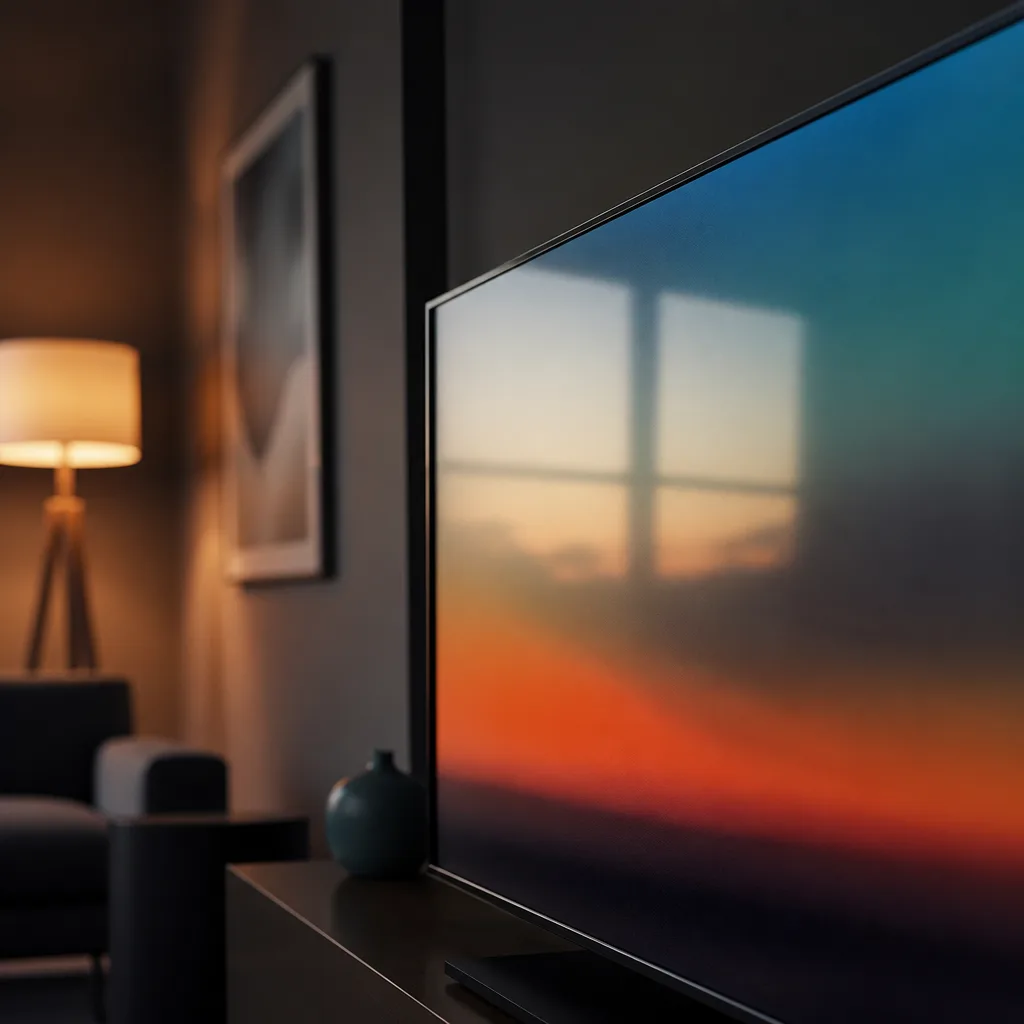
Reflections make things worse. A window, a light fixture or even a pale wall behind you can appear as a mirrored patch on the screen, especially with a glossy finish. In a dim room this is barely noticeable, but in daylight it can be a constant distraction, particularly during dark or slow scenes.
 Matching productQLED TV 55 inchAmazon →
02
Peak brightness: what the numbers mean
Peak brightness, usually measured in nits, describes how bright small highlights in the picture can get. A higher figure helps a TV punch through ambient light and keeps highlights, such as the sun in a landscape shot, looking bright rather than dull. For a room with a lot of natural light, a set with strong peak brightness is more comfortable to watch than a dimmer one, even if the darker parts of the picture are handled less perfectly.
Manufacturers rarely print nit values on the box, so this is an area where written specifications, if available, are more useful than the number on a shelf sticker. As a rough guide, the following table summarises how brightness levels tend to behave in daylight conditions.
| Approximate peak brightness | Behaviour in a bright room |
|---|---|
| Up to about 400 nits | Picture can look dim and washed out with curtains open |
| About 600 to 1000 nits | Comfortable for most daytime viewing with moderate light |
| Above 1000 nits | Handles direct daylight and strong room lighting well |
Brightness is not the only factor. A set that is very bright but also very reflective can still be hard to watch if the sun lands directly on the screen, which is why coatings matter just as much as raw output.
03
Anti-glare coatings and matte versus glossy screens
Many television panels use an anti-glare or anti-reflective coating on the front layer. Instead of reflecting a sharp, mirror-like image of a window or lamp, a matte or semi-matte coating scatters that light into a softer, less distracting glow. This tends to reduce the annoyance of reflections, though it can sometimes make the picture look slightly less deep or saturated compared with an uncoated, glossy panel viewed in the dark.
Glossy screens without much anti-reflective treatment generally produce deeper blacks and richer colour in a dark room, but they can show sharp, distracting mirror reflections in daylight. There is no single correct choice: a coated, more matte screen usually suits a bright living room better, while an uncoated glossy screen can be the better option for a dedicated, darker viewing space.
 Matching productProjector screenAmazon →
04
Panel choice for daylight viewing
Different panel technologies behave differently once the curtains are open. OLED and QLED are compared in detail in a separate guide, but the short version for bright rooms is this: sets with an LCD backlight, including QLED and Mini-LED models, often reach higher peak brightness figures than OLED panels, which can make them easier to watch with strong daylight in the room. OLED panels, which produce light at the pixel level, offer excellent contrast and colour but historically have lower peak brightness than the brightest LCD based sets, although the gap has narrowed with recent generations.
Reflection handling also varies by model rather than strictly by technology, so it is worth checking whether a specific set has an anti-reflective or anti-glare treatment rather than assuming this from the underlying panel type alone.
 Matching productOLED TV 55 inchAmazon →
05
Placement: keeping light sources out of the way
Where you put the television and where you sit both affect how much glare you experience. As a general rule, avoid positioning the screen directly opposite a window or a bright lamp, since light sources facing the screen are the ones most likely to reflect straight back at the viewer.
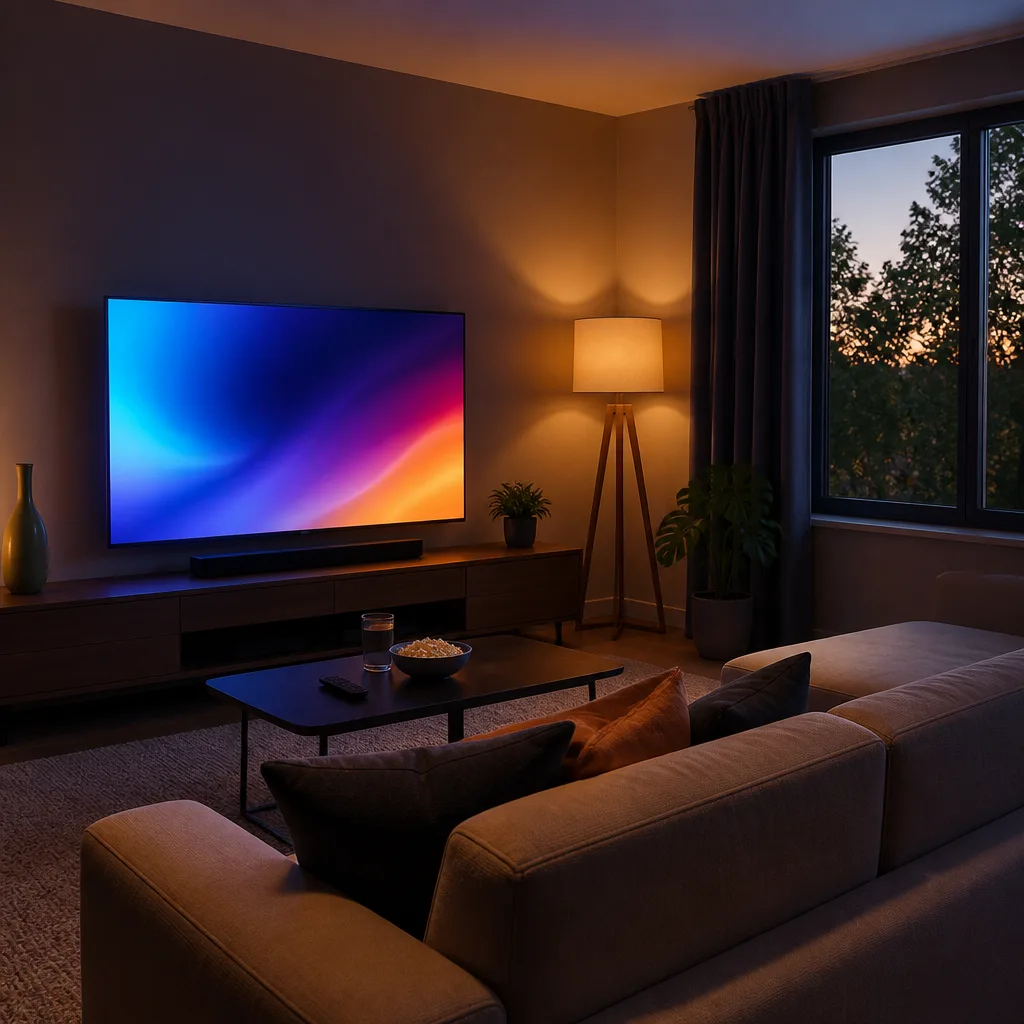
Placing the TV at a right angle to the main window, rather than facing it, usually reduces glare noticeably. If the room only allows one layout, consider where the sun falls at the times of day you watch most, for example evenings, and orient the seating so the brightest light source is behind or beside the seating position rather than behind the screen.
06
Curtains, blinds and other light control
Simple light control measures often help more than any single spec on the television itself. Curtains, blinds or shutters that can be adjusted through the day let you dim the room during viewing without blocking it out completely. Sheer curtains soften harsh direct sunlight while still letting in daylight, which can be a good compromise for rooms used for other activities as well as watching television.
Repositioning or shading a lamp that sits opposite the screen, or simply dimming it in the evening, can also cut reflections without any changes to the TV itself. These low cost adjustments are worth trying before assuming a different television is needed.
07
Bringing it together
For a genuinely bright room, look for a set with strong peak brightness, an anti-glare or anti-reflective coating, and plan the layout so windows and lamps sit to the side rather than opposite the screen. Curtains or blinds that can be adjusted through the day add a further, low cost layer of control. See the general buying guide and the size guide for how brightness needs interact with screen size and viewing distance.
08
Frequently asked questions
Is OLED unusable in a bright room?
No, but it benefits more than most technologies from some light control. Modern OLED panels have improved peak brightness compared with earlier generations and can work well in moderately bright rooms, especially with curtains available for daytime viewing.
Does screen size affect glare?
Indirectly. A larger screen covers more of your field of view, so any given reflection appears smaller in relation to the picture, but the underlying coating and brightness of the panel matter more than size alone.
Are matte screen protectors worth adding afterwards?
Aftermarket screen films exist, but they can reduce sharpness and are not designed or tested by the television maker, so a set with a built in anti-glare coating is generally a more reliable route to reduced reflections.
Should I choose a brighter TV even if I mostly watch in the evening?
If evening viewing with lamps on is the main use, moderate brightness is usually enough and other factors such as contrast and colour may matter more. Prioritise high peak brightness mainly if daytime viewing with open curtains is common in your household.
Explore
Read next
 TV Panel Types Explained: LCD, QLED, Mini-LED, OLED and MoreAn overview of TV panel technologies, from LCD and QLED to OLED and Micro-LED, compared on blacks, brightness, viewing angle and burn-in ri…
 TV Buying Guide: How to Choose the Right TelevisionA practical, step by step guide that walks you through every decision in buying a television, from screen size to sound.
 TV Size Guide: Screen Sizes and Viewing DistanceA practical guide to translating screen diagonal into real dimensions and choosing the right size for your viewing distance and room.