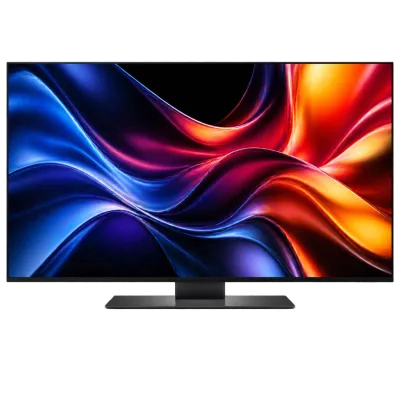
Viewing angle describes how a television's picture holds up when seen from the side rather than sitting directly in front of it. On a screen with poor off axis performance, colours can shift, contrast can fade and the image can look washed out once a viewer moves even a moderate distance to one side.
Panel technology has a large effect here. Screens using per pixel light, such as OLED, tend to keep their picture quality more consistent at an angle than many LCD based screens, including QLED and Mini-LED models, where brightness and colour can fall off more noticeably off centre, though this varies between individual models and finishes.
Viewing angle matters most in wide or open plan rooms where several people regularly watch from different positions, such as a kitchen and living area combined, and less in a room where seating is centred in front of the screen. Trying to view a specific model from the side before buying, in a shop or through detailed reviews, is the most reliable way to judge it.