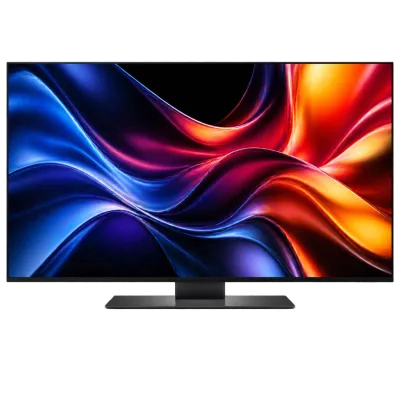
HDR stands for high dynamic range. It describes video content, and the televisions capable of displaying it, that carries a wider range of brightness information than older standard dynamic range material, from very bright highlights such as sunlight or lamps down to deep shadow detail, within the same scene.
To take advantage of HDR, both the content and the television need to support it, and the screen needs enough peak brightness and contrast to show the extra range meaningfully rather than just compressing it back down. Several HDR formats exist with different ways of describing this brightness information to the television, including HDR10, Dolby Vision and HDR10+.
When buying a television, seeing HDR supported on the specification sheet is only part of the picture, since actual HDR performance depends heavily on how bright and how well controlled the backlight or OLED panel is. Our HDR explained guide goes through the different formats and what to look for in more detail.