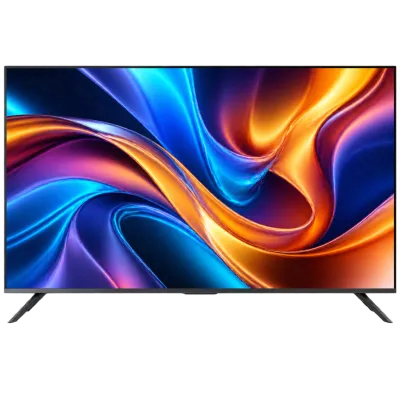
Every LCD television needs a source of light behind its screen, since the liquid crystal layer itself only controls how much light passes through, rather than producing any. Almost all modern televisions use LED backlights for this purpose, which is why the terms LED TV and LCD TV are often used loosely to mean the same thing in shops.
The way that backlight is arranged matters a great deal for picture quality. An edge lit backlight places LEDs only around the frame, while a full array backlight spreads them across the whole rear of the panel, which is what makes technologies such as Mini-LED and full array local dimming possible.
When comparing televisions, it is worth looking past the generic LED label and checking whether a set uses edge lighting or a full array backlight, and how many dimming zones it offers, since these details affect contrast and the visibility of bright highlights far more than the LED label alone. See full array local dimming for how zone count is used in practice.