A quantum dot is an extremely small semiconductor particle, only a few nanometres across, that emits light of a very specific colour when it is excited by another light source. The exact colour it produces depends on the particle's size, which lets manufacturers tune a whole layer of quantum dots to produce precise, saturated reds, greens and blues.
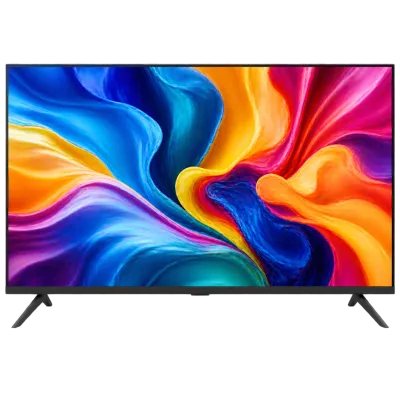
In a television, a quantum dot layer sits between the backlight and the rest of the display, converting the backlight's light into these purer colours before it reaches the liquid crystal and colour filter layers. This is the technology behind QLED televisions, and a related approach is used in QD-OLED panels, where quantum dots pair with a self emissive OLED layer instead of an LCD backlight.
For buyers, the practical effect of quantum dots is a wider colour range and often better brightness in colourful highlights than colour filters alone can achieve, which is one reason quantum dot based sets are common in the upper half of the TV market. See our OLED versus QLED comparison for more.